Wuthering Heights, Jane Eyre, The Tenant of Wildfell Hall, and more: The Complete Brontë Collection
All seven novels, the complete juvenile stories, and the full 1846 poetry collection — 9 works in one volume. The most ambitious edition New Old Prints has published.
Table of Contents
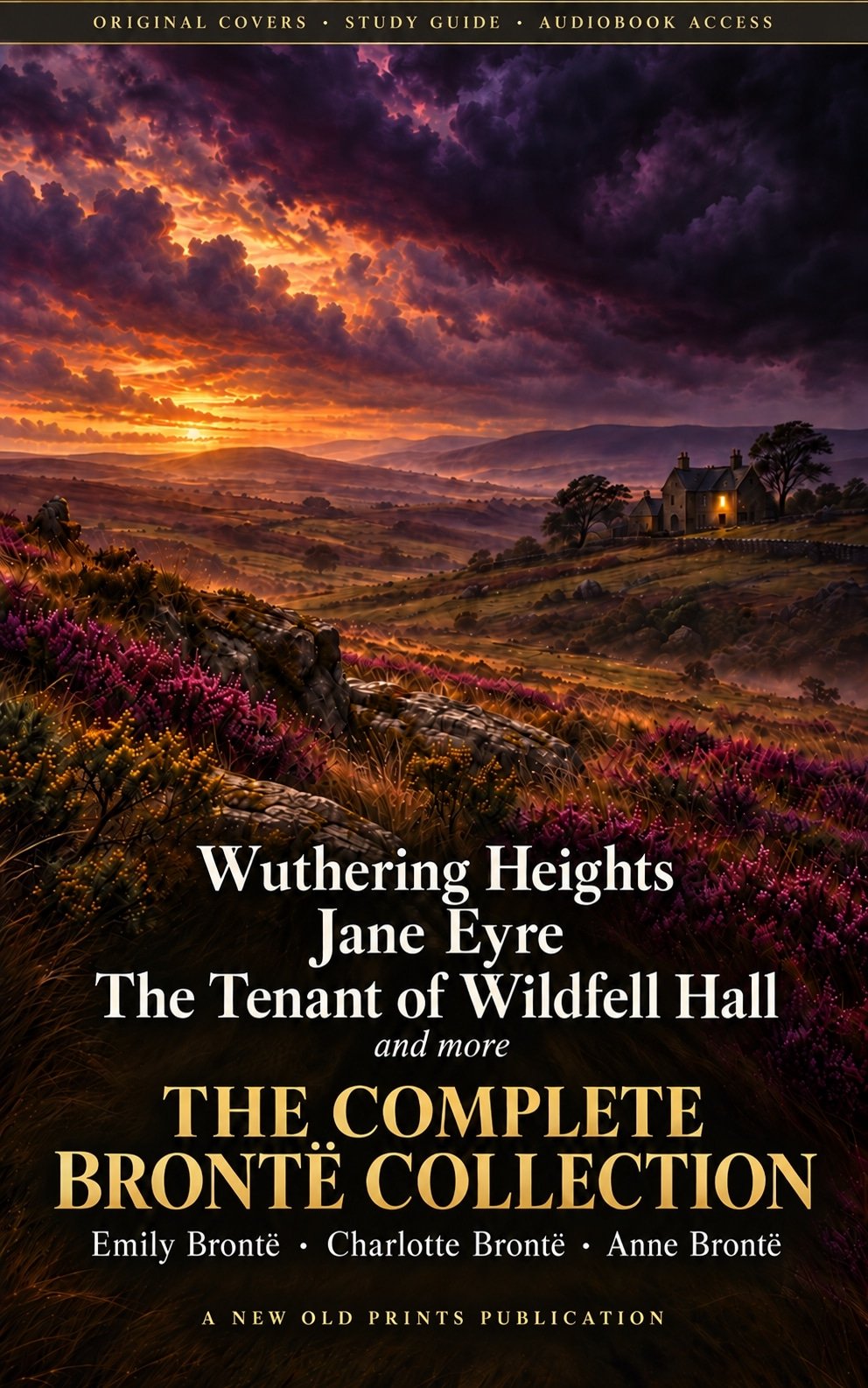
Title: Wuthering Heights, Jane Eyre, The Tenant of Wildfell Hall, and more: The Complete Brontë Collection
Authors: Charlotte Brontë · Emily Brontë · Anne Brontë
Works included: 7 novels (Wuthering Heights, Jane Eyre, Shirley, Villette, The Professor, Agnes Grey, The Tenant of Wildfell Hall) · The Twelve Adventurers and Other Stories · Poems by Currer, Ellis, and Acton Bell (1846)
Includes: Original illustrations · Free audiobook links (LibriVox) · Full study guide (11 sections) · Publisher’s introduction
ISBN (ebook): 979-8-9966554-4-1
Format: Digital edition — ebook only. The collection spans the equivalent of three print volumes; we made the digital format a deliberate choice so every reader can carry the complete works in a single file.
Available on: Amazon Kindle · Apple Books


Amazon and the Amazon logo are trademarks of Amazon.com, Inc. or its affiliates. Apple Books is a service mark of Apple Inc.
About This Edition
The Brontë sisters published under pseudonyms — Currer, Ellis, and Acton Bell — because they knew their work would be judged differently if readers knew three women from a Yorkshire parsonage had written it. The strategy worked, briefly. Then the books outgrew the disguise. Jane Eyre, Wuthering Heights, and The Tenant of Wildfell Hall did not survive because of who wrote them. They survived because of what they were: novels of psychological precision, moral seriousness, and emotional force that readers in every generation have found indispensable.
This edition collects the complete works of all three sisters in a single volume — nine works in total, from the canonical novels to Charlotte’s earliest juvenilia and the 1846 poetry collection that launched all three careers. Each work receives its own original cover illustration. The study guide runs to eleven sections, covering the family biography, historical context, major themes, character analysis, key quotations, and reading group questions for every novel. The Pillar Portrait — the group painting of the three sisters by their brother Branwell Brontë — appears throughout the edition: each sister’s section opens with her cropped portion of the portrait, and the full painting appears in the 1846 Poems section, where all three voices come together.
At $0.99, this is our most ambitious edition and our most deliberately affordable one. Some distribution platforms require the file to stay under 3 MB at this price point — a constraint that affects the cover images. Download all covers at full resolution here, free. The Brontës wrote about access — about women locked out of property, education, and self-determination. It seemed right that their complete works should be within reach of anyone who wants them.
Emily Brontë (1818–1848)
Emily Brontë published one novel in her lifetime. It was enough. Writing under the pseudonym Ellis Bell, she produced Wuthering Heights at the age of twenty-nine — a novel so unlike anything else being written in 1847 that early reviewers genuinely did not know what to do with it. It was called brutal, coarse, and powerful, often in the same sentence. Emily died the following year of tuberculosis, at thirty, and the novel’s reputation has only grown since. She also contributed poems to the 1846 Poems by Currer, Ellis, and Acton Bell, some of which remain among the finest lyric poetry in the English language.
Wuthering Heights
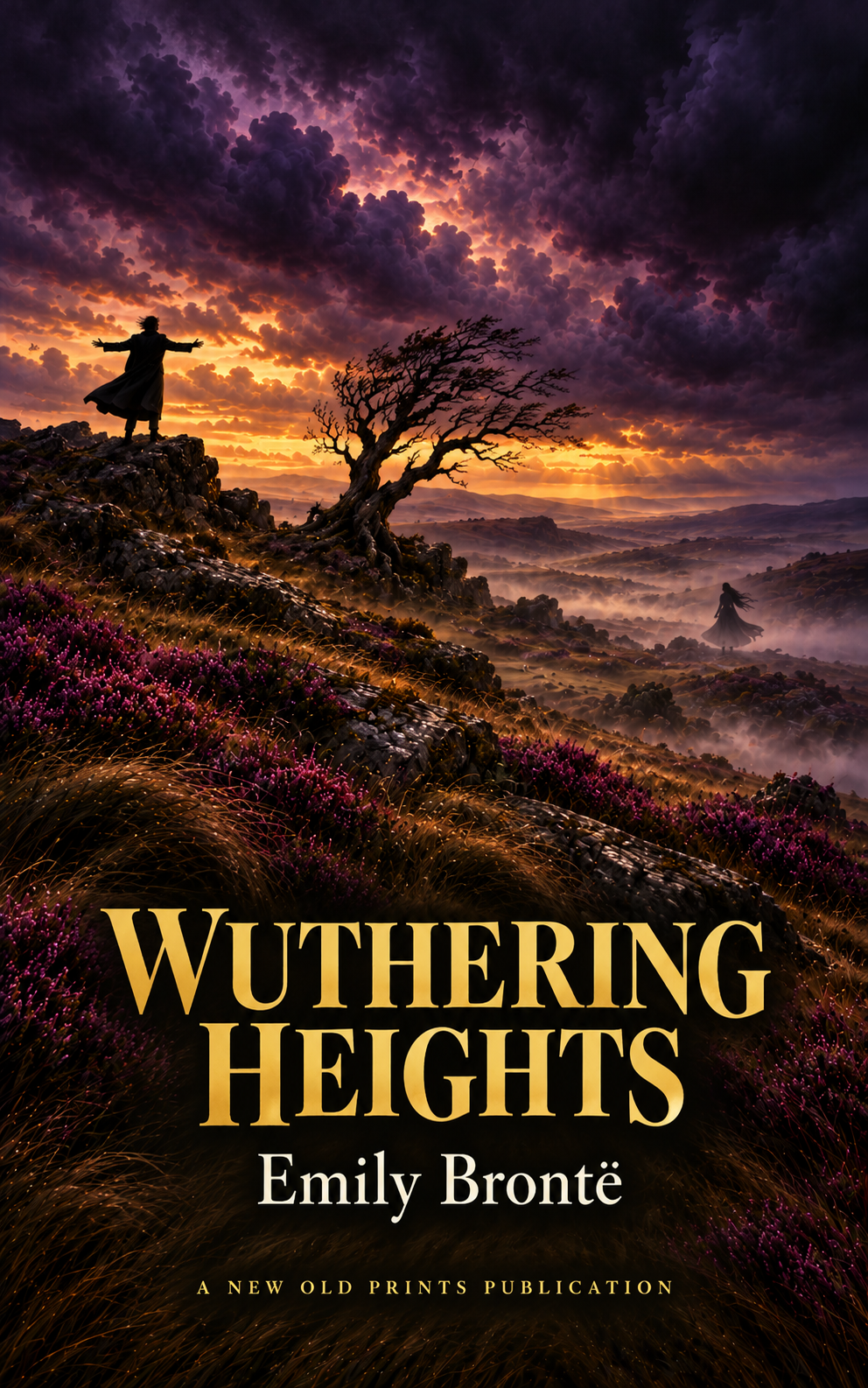
Wuthering Heights (1847) is the story of Heathcliff — a foundling taken in by the Earnshaw family of the Yorkshire moors, cast out after the death of his protector, and consumed by a rage for revenge and possession that shapes the lives of two generations. The novel is told at several removes, through the diaries of an unreliable narrator and the testimony of a housekeeper with her own loyalties, and the effect is one of the most unsettling structures in English fiction. Heathcliff is not a hero and not quite a villain; he is something more disturbing — a man whom injustice has made monstrous, and whom love has made worse. The landscape of the moors is not backdrop but character, as elemental and indifferent as the forces driving the plot. Wuthering Heights has no comfortable resolution and offers no moral instruction. It simply insists on being true. A major film adaptation starring Margot Robbie arrived in 2026, bringing renewed attention to a novel that has never needed it — but welcome proof that the story’s grip on the imagination shows no signs of loosening.
Charlotte Brontë (1816–1855)
Charlotte Brontë was the eldest of the three sisters and the one who lived longest — long enough to see her work celebrated, to lose both her sisters and her brother within a year, and to marry, briefly, before her own death in 1855. She published four novels under the pseudonym Currer Bell, and a fifth — The Professor — appeared after her death. Of all the Brontës, Charlotte was the most consciously literary: she corresponded with Thackeray, sought criticism from Southey (who told her writing was not for women), and thought carefully about what she was doing and why. Jane Eyre made her famous. The other novels made her great.
Jane Eyre
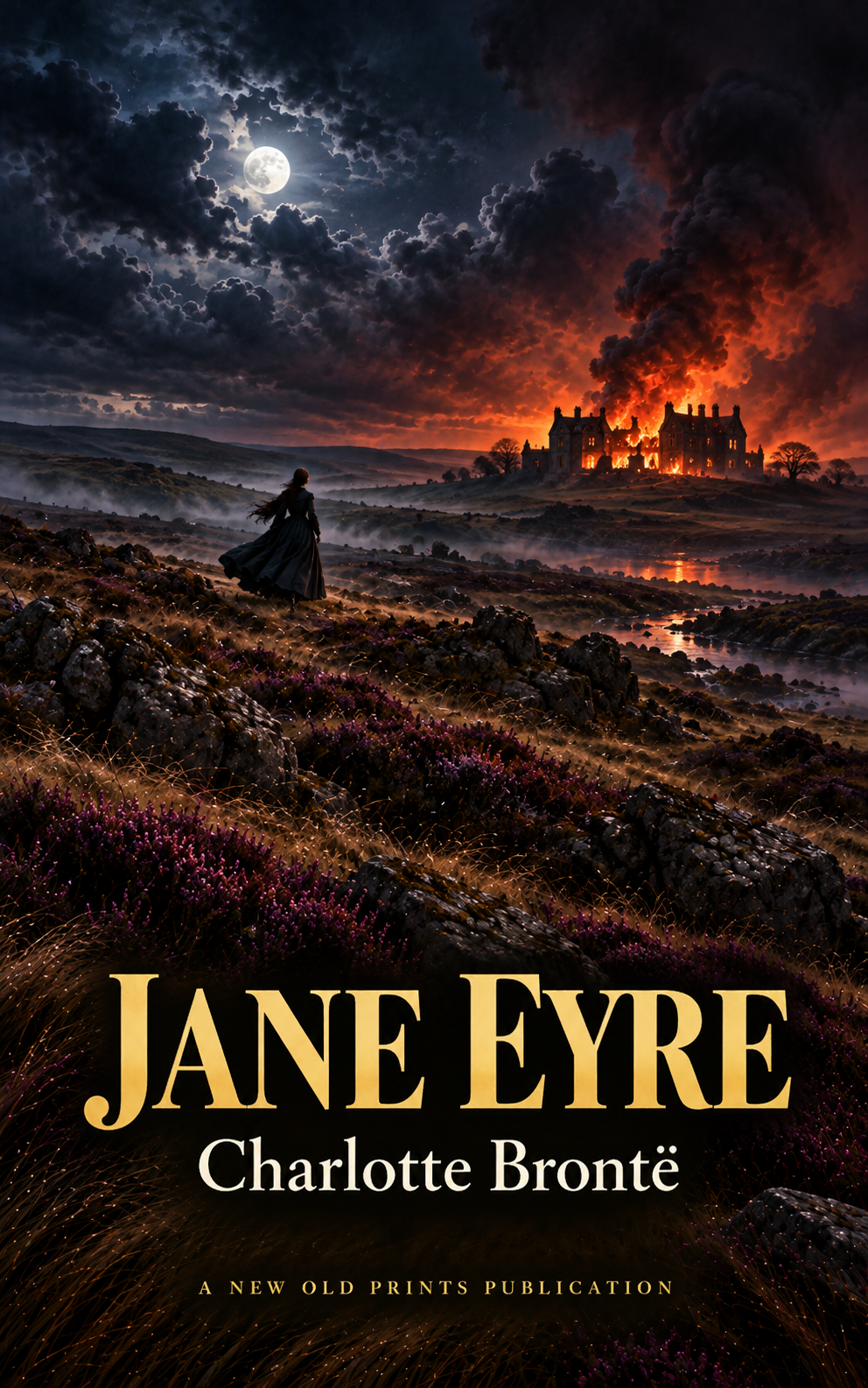
Jane Eyre (1847) follows an orphaned girl from a miserable childhood — unloved by her aunt, mistreated at a charity school — to her position as governess at Thornfield Hall, where she falls in love with the complicated, sardonic Mr. Rochester. Charlotte Brontë invented a new kind of heroine: plain, poor, and entirely clear-eyed about her own worth. Jane refuses to be anyone’s property and refuses to compromise her principles for comfort or love. The novel’s first-person voice is so direct it still reads as a provocation — a woman insisting on her own interiority at a time when women’s novels were expected to be domestic and decorous. Jane Eyre was a sensation in 1847 and has never stopped being read.
Shirley
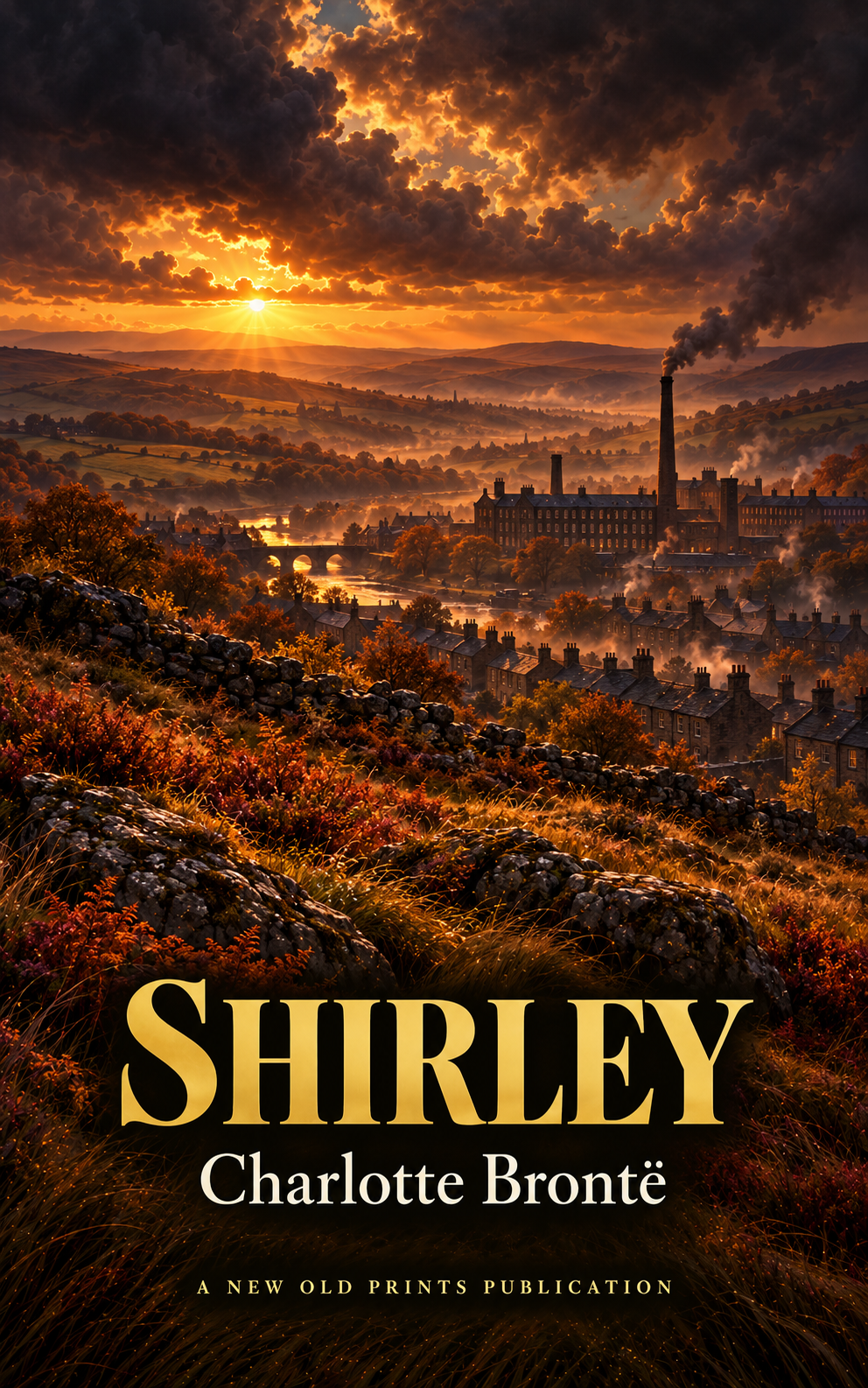
Shirley (1849) is Charlotte Brontë’s most socially engaged novel — set during the Luddite uprisings of 1811–12, when textile workers across Yorkshire destroyed the machines that were eliminating their livelihoods. Against this backdrop, the novel follows two women: Caroline Helstone, quiet and self-suppressed, and Shirley Keeldar, a wealthy landowner with the independence Caroline lacks. Charlotte was writing in the shadow of her sisters’ deaths and the novel carries that weight; it is longer and more uneven than Jane Eyre, but it contains some of her most direct writing about what it costs women to have no work, no purpose, and no recognized claim on the world. The character of Shirley was modeled on Emily Brontë as Charlotte imagined she might have been if born to money.
Villette
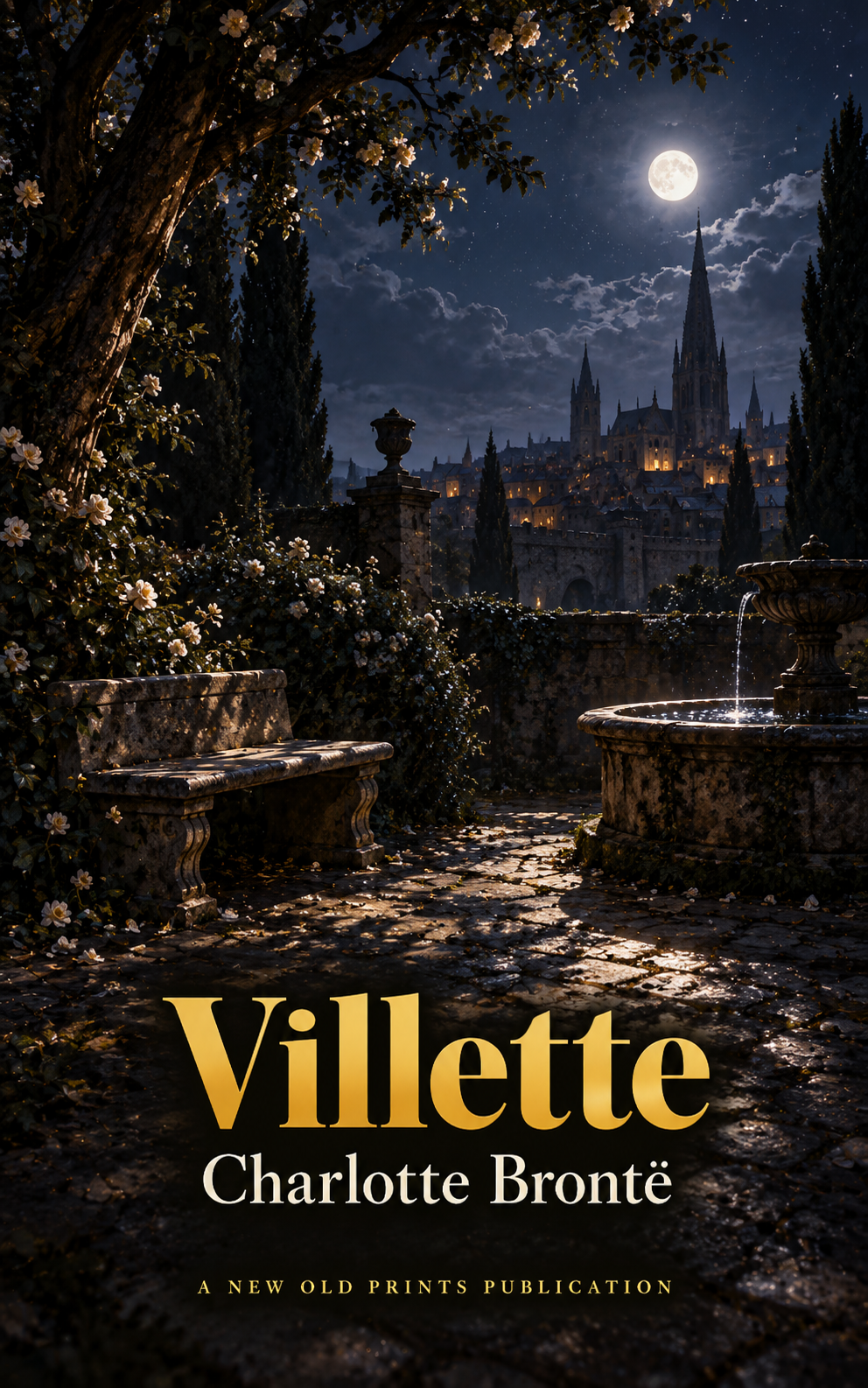
Villette (1853) is the most personal and the most formally daring of Charlotte’s novels. Lucy Snowe — solitary, repressed, fiercely intelligent — travels to the fictional city of Villette to teach at a girls’ school, and the novel follows her inner life with an intimacy that was startling in 1853 and still is. The narrative is unreliable in ways that feel modern: Lucy withholds information from the reader, misremembers, and interprets her own experience through layers of denial. The romance at the novel’s center is less a love story than a study in what loneliness does to a person. Many critics consider Villette Charlotte’s greatest achievement.
The Professor
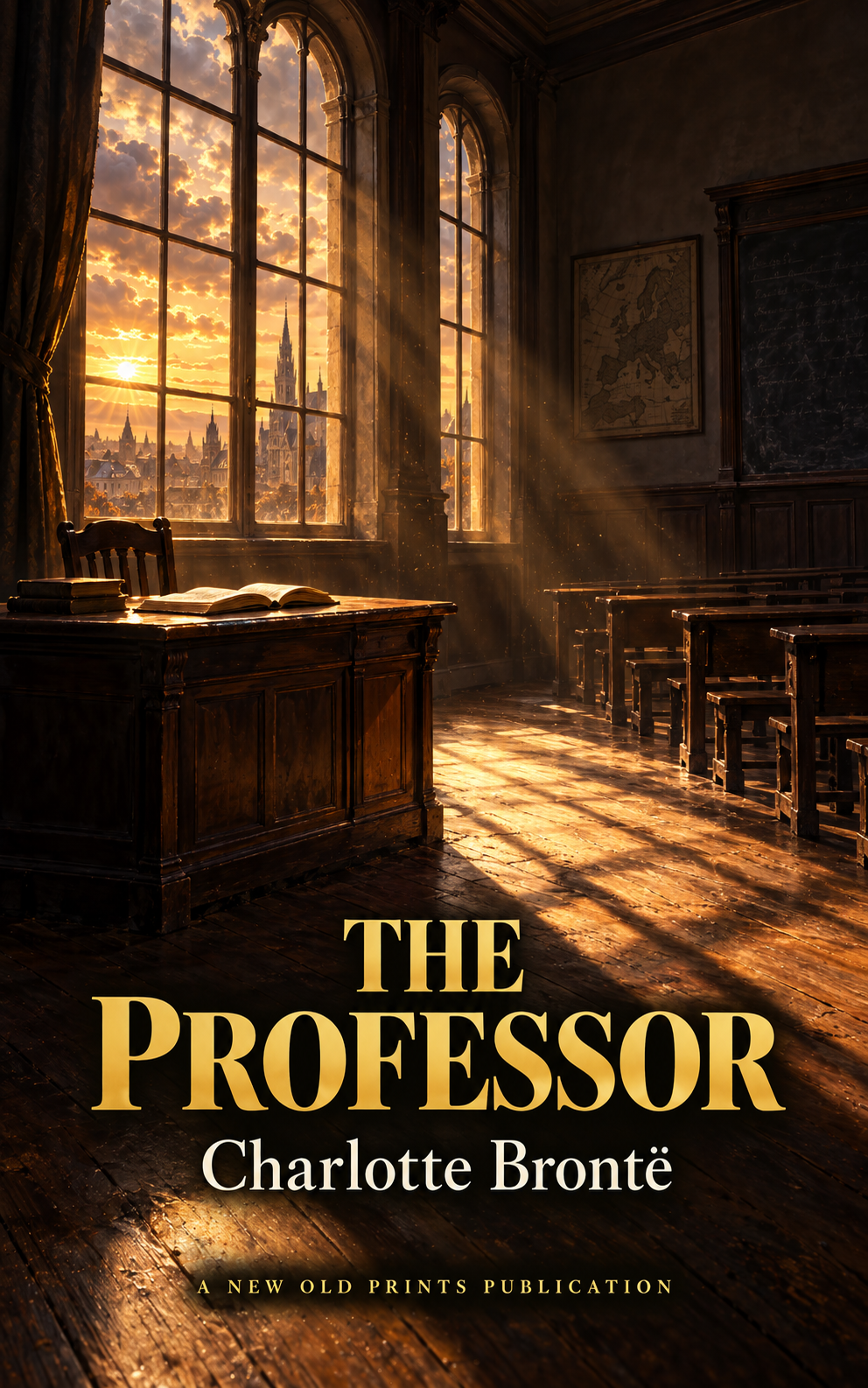
The Professor was the first novel Charlotte Brontë completed, written in 1846, but it was rejected by every publisher she approached and only published posthumously in 1857, two years after her death. It tells the story of William Crimsworth, a young Englishman who goes to Brussels to teach and falls in love with a student — a plot drawn directly from Charlotte’s own time in Belgium, which she would rework more fully in Villette. The Professor is the rougher, earlier version of that material: more conventional in structure, less psychologically complex, but valuable for what it reveals about Charlotte’s development as a writer, and for the Brussels setting she would return to with so much more to say.
The Twelve Adventurers and Other Stories
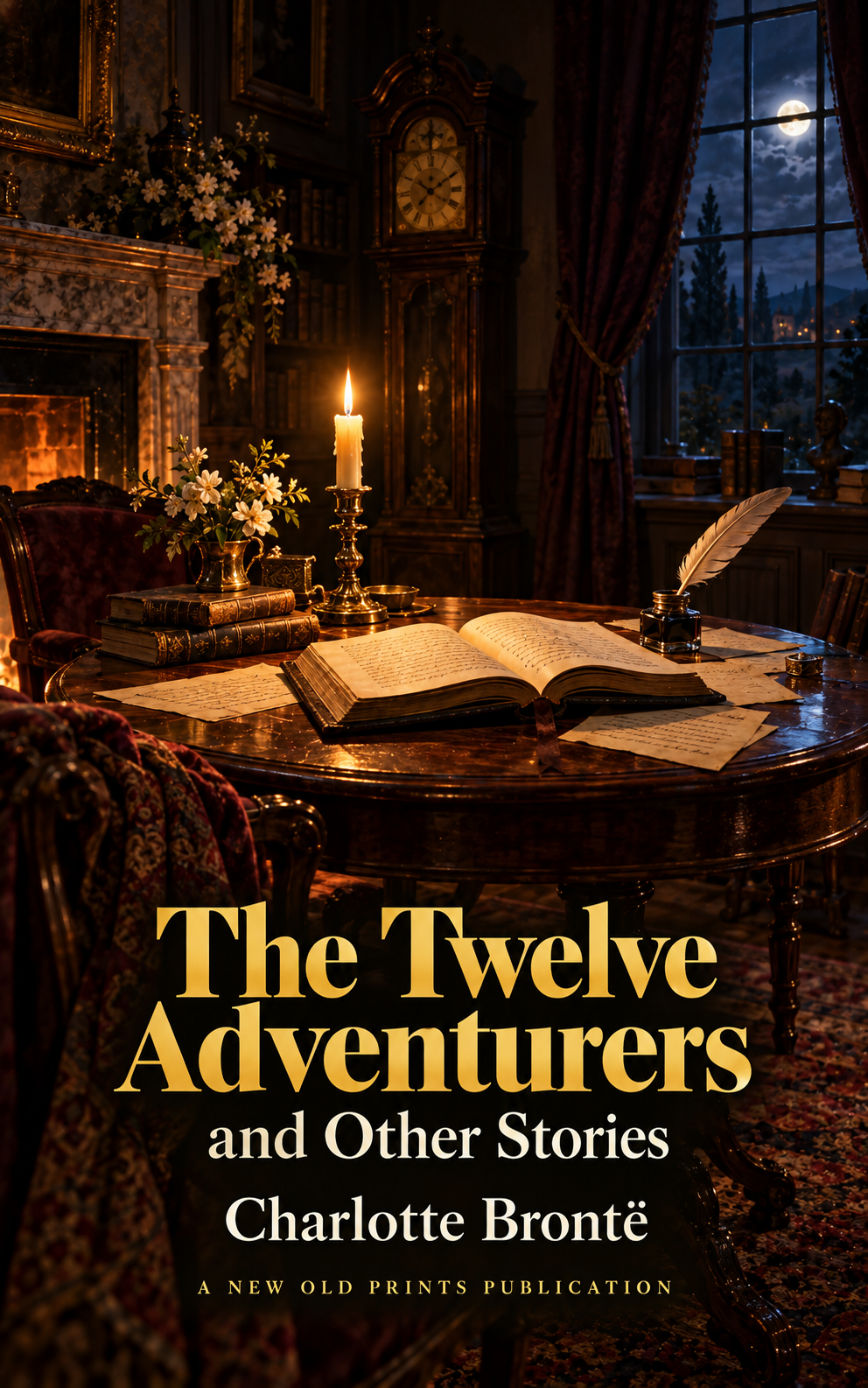
The Twelve Adventurers and Other Stories collects Charlotte Brontë’s juvenilia — the stories, novellas, and chronicles she wrote as a child and young adult, beginning in the 1820s, set in the imaginary kingdom of Angria she co-created with her brother Branwell. These writings were composed in tiny handmade booklets, in handwriting so small it required a magnifying glass to read, and they run to hundreds of thousands of words. They are not polished fiction; they are the workshop of a novelist’s imagination, full of melodrama, romance, political intrigue, and the restless invention of someone who has not yet found her form. This edition includes all twelve stories from the core collection, making them available in a readable format for the first time in a single affordable volume.
Anne Brontë (1820–1849)
Anne Brontë was the youngest of the three sisters and, for most of literary history, the most underrated. Writing under the pseudonym Acton Bell, she published two novels before dying of tuberculosis at twenty-nine. Both are more quietly subversive than anything her sisters wrote: Agnes Grey documents the systematic humiliation of educated women forced into domestic service, and The Tenant of Wildfell Hall makes the case — in 1848, twenty years before the first Married Women’s Property Act — that a woman has the right to leave a bad marriage. Anne wrote with less pyrotechnic force than Charlotte or Emily, but with a documentary precision and a moral courage that her contemporaries found more unsettling than anything in Wuthering Heights.
Agnes Grey
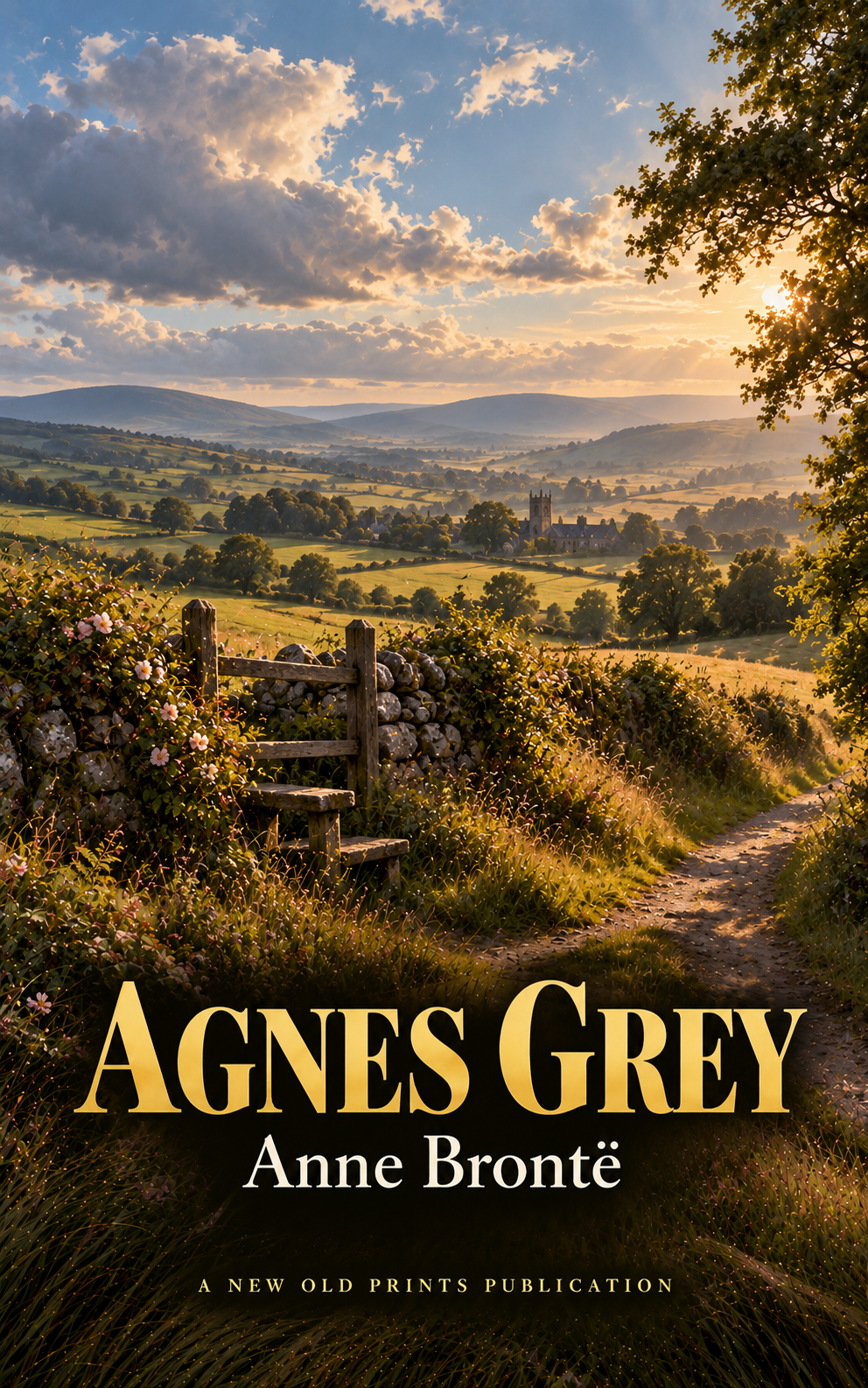
Agnes Grey (1847) is the story of a clergyman’s daughter who takes work as a governess — the only respectable employment available to an educated woman without money — and finds the reality of it nothing like the imagining. Agnes’s employers are indifferent, their children are feral, and her own intelligence and moral seriousness count for nothing in a household where she is paid staff. Anne Brontë wrote from experience: she spent years as a governess and the novel is documentary in its precision about the humiliations of the position. It was published the same month as Wuthering Heights and was largely overlooked. It deserves better. As a piece of social observation — clear-eyed, unsparing, and without self-pity — it is one of the sharpest novels of its century.
The Tenant of Wildfell Hall
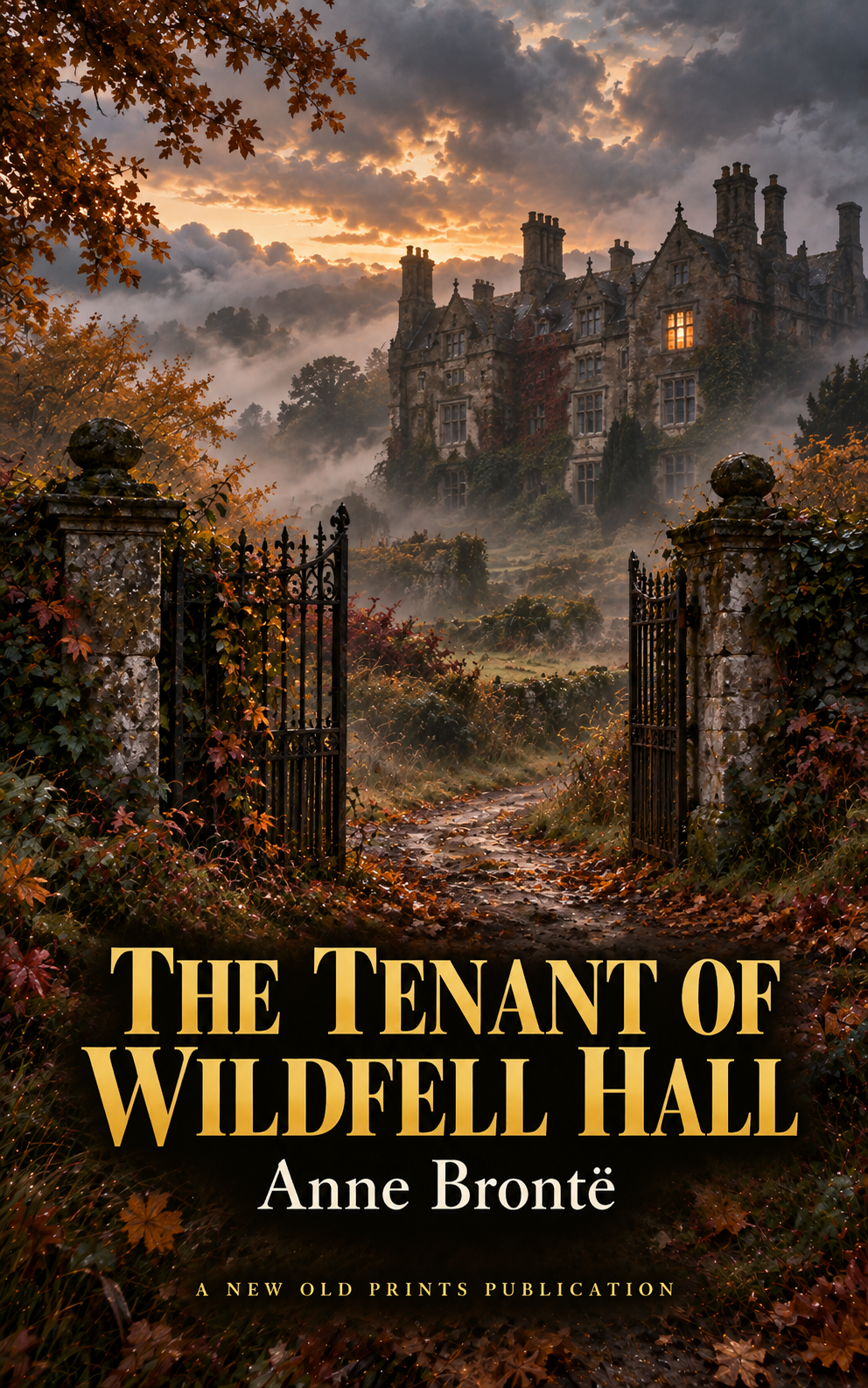
The Tenant of Wildfell Hall (1848) was the most radical novel published in England that year — possibly that decade. Helen Graham arrives at a crumbling manor with a young son and no explanation, and the novel gradually reveals what she is escaping: a husband whose drinking, infidelity, and deliberate corruption of their child have made the marriage a trap she has decided to leave. In 1848, a wife had no legal right to leave a marriage, no right to her own earnings, and no right to custody of her children. Anne Brontë made all of this the subject of a novel. It was condemned as coarse and immoral; Charlotte, after Anne’s death, refused to allow it to be reprinted. It is now recognized as a founding text of feminist fiction and one of the great English novels of the nineteenth century.
Poems by Currer, Ellis, and Acton Bell (1846)
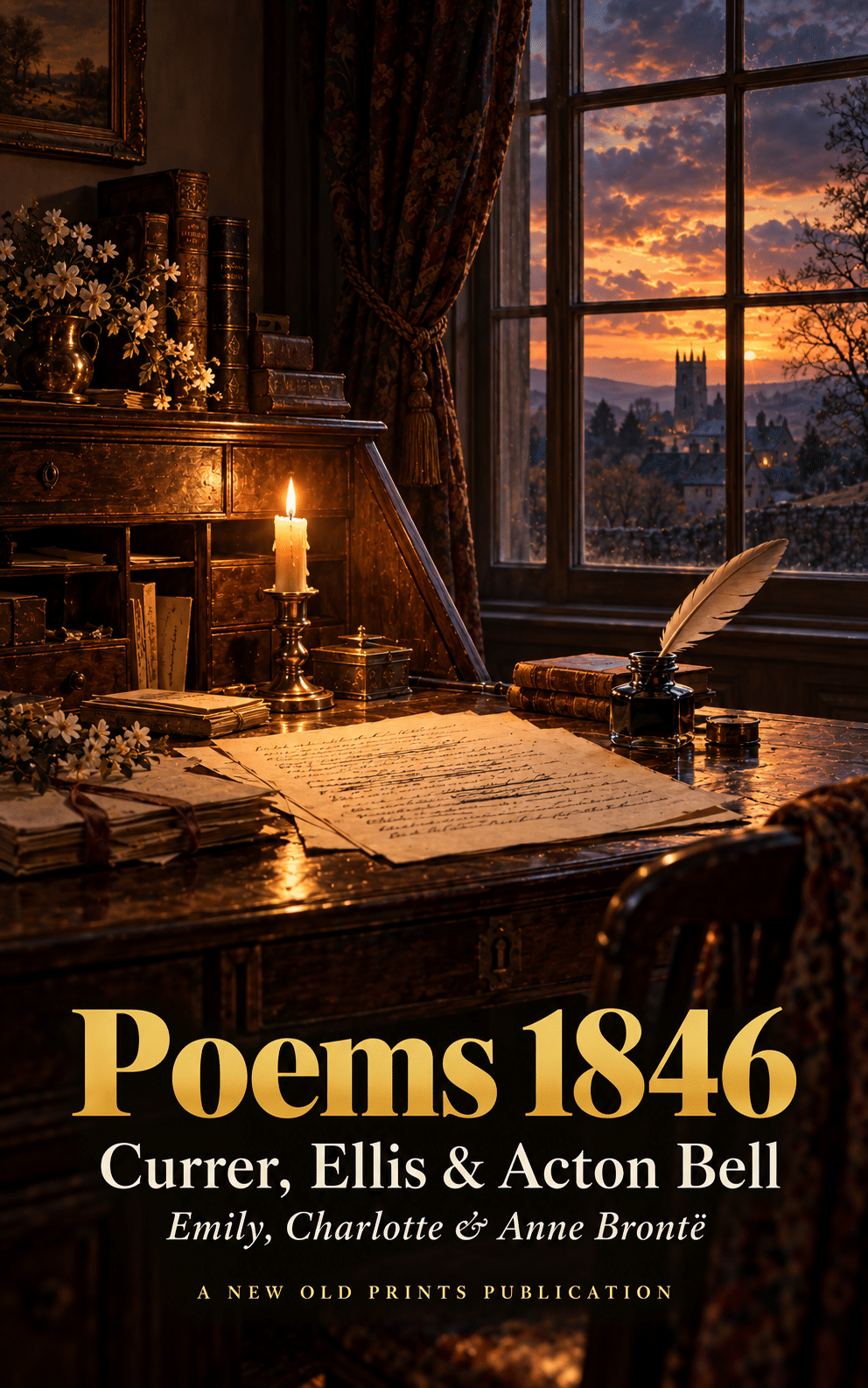
Before the novels, there were the poems. In 1846, the three sisters pooled their resources and self-published a collection of sixty-two poems under their shared pseudonyms — Currer, Ellis, and Acton Bell — paying the printing costs themselves and selling, by Charlotte’s later account, exactly two copies. The collection is now recognized as a significant work in its own right: Emily’s contributions in particular are among the finest lyric poems of the Victorian era, including “No Coward Soul Is Mine,” written less than two years before her death. Charlotte’s poems are more conventional but technically accomplished; Anne’s are quiet, sincere, and frequently overlooked. Together the three voices give the collection a range and a texture that none of them could have achieved alone. This edition includes all sixty-two poems.
What’s Inside This Edition
- All nine works by Charlotte, Emily, and Anne Brontë — complete and unabridged
- 9 original covers — one designed for each work in the collection
- Publisher’s introduction covering the Brontë family and their literary legacy
- Complete study guide — 11 sections including plot summaries, themes, character lists, key quotations, vocabulary, discussion questions, essay prompts, and further reading
- Four historical portraits by Branwell Brontë — Emily, Charlotte, Anne, and the Pillar Portrait
- Free LibriVox audiobook links for 7 of the 9 works (Wuthering Heights, Jane Eyre, Shirley, The Professor, Villette, Agnes Grey, The Tenant of Wildfell Hall)
- Digital edition — the equivalent of three print volumes, in a single ebook file
Get Your Copy
The Complete Brontë Collection is available now as a digital edition. Nine works. Three sisters. Everything they published — for $0.99.
Amazon and the Amazon logo are trademarks of Amazon.com, Inc. or its affiliates. Apple Books is a service mark of Apple Inc.